Pasta Truss Bridge
Five pasta truss designs for a LEGO astronaut's Mars crevasse crossing, tested to failure. Our merged design scored about 288 load-to-weight, second in the class, but was disqualified for being too low for the astronaut.
What I did
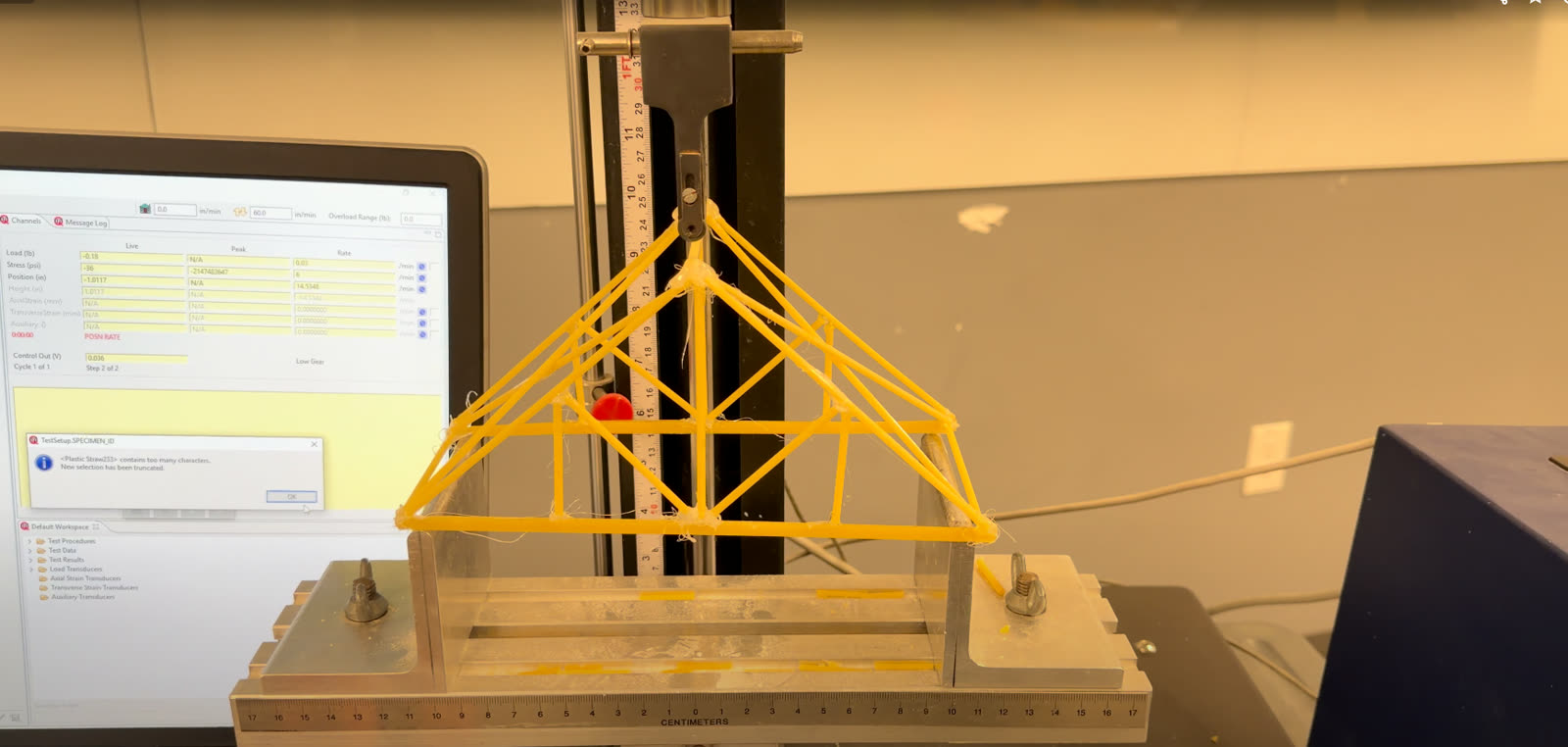
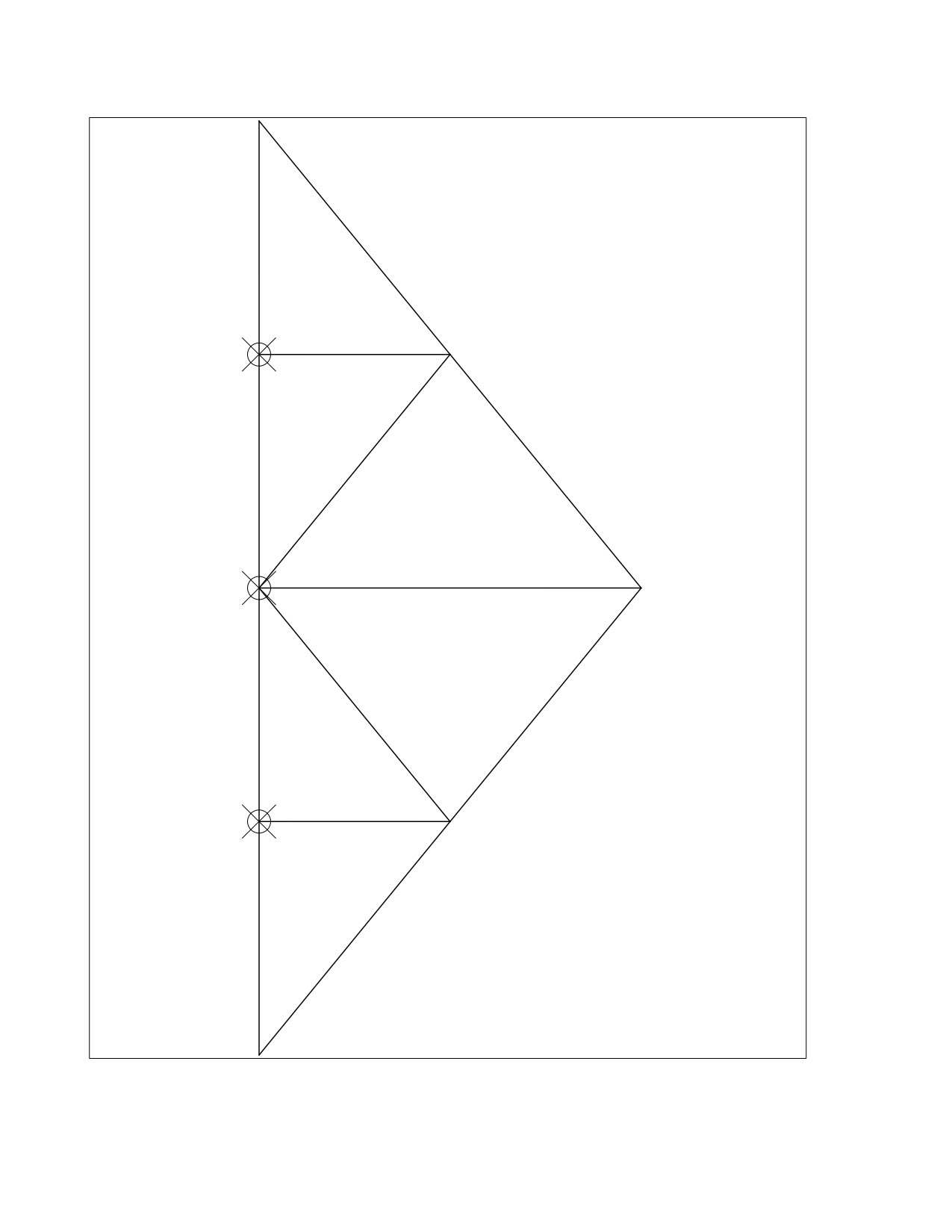
- Designed, drew in AutoCAD, built and load-tested a Waddell A truss (27 g, 22 cm span, 9 cm tall)
- Built the team Gantt chart and assigned owners and intermediate deadlines
Round 1: five designs, tested to failure
| Builder | Mass | Load held | Load / weight |
|---|---|---|---|
| Owen | 23 g | 9.58 lb | 188.9 (class best) |
| Jack | 39 g | 9.47 lb | 110.3 |
| Evan (me) | 27 g | 3.98 lb | 66.9 |
| Jackson | 40 g | 3.91 lb | 44.3 |
| Antonio | 105 g | 1.62 lb | 7.0 |
Load / weight is load held divided by bridge mass, both in grams, so it has no units. Owen's 9.58 lb is about 4,345 g, and 4,345 ÷ 23 g = 188.9.
Mine failed at its pointed apex: the press load broke the cross member before the side trusses could share it. Most of our bridges failed the same way, at the contact point.
Round 2: one team design
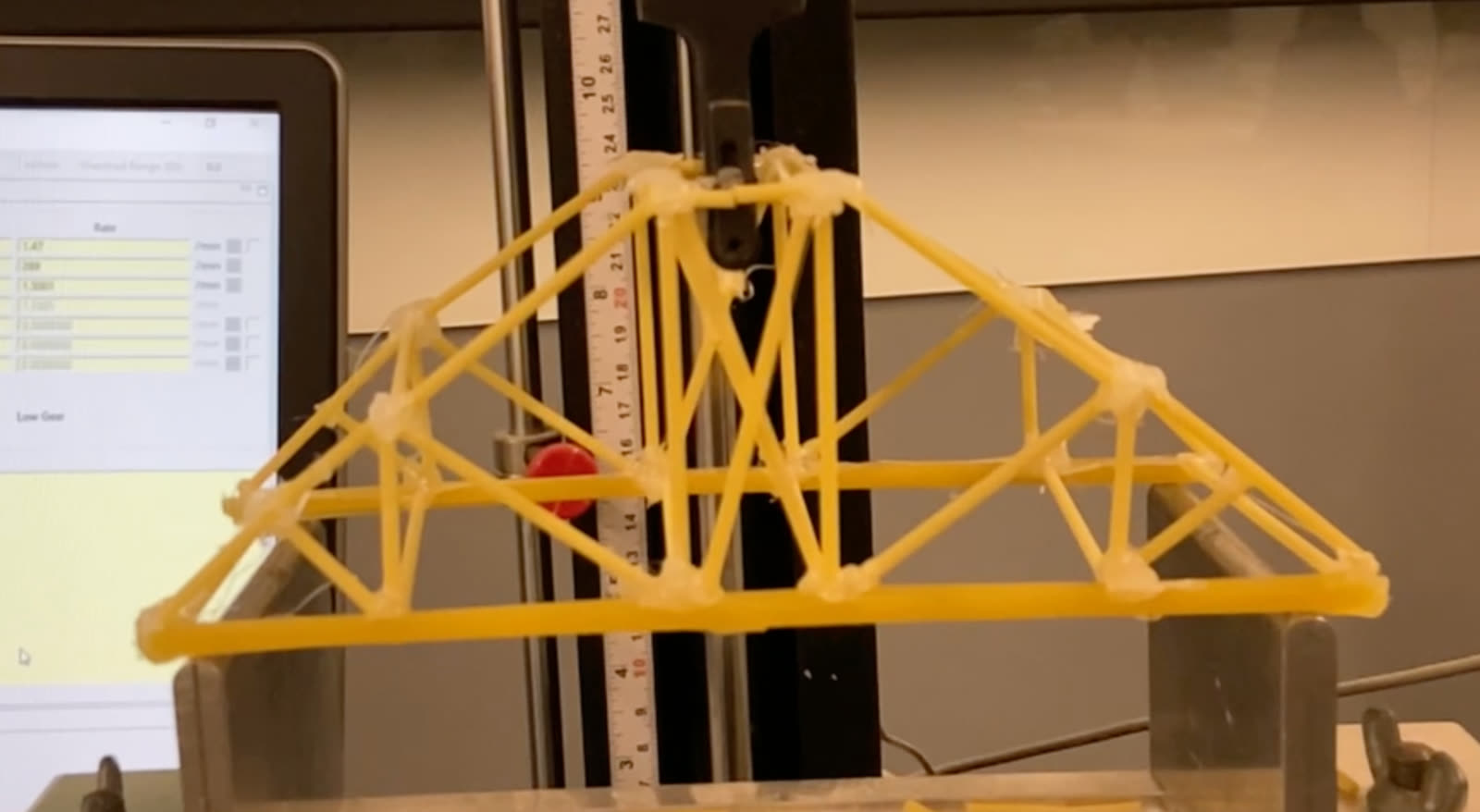
We reinforced the loading point with a slightly flexible top, so the load spreads into both trusses before anything cracks. We also doubled the vertical members and narrowed the bridge to fit the test space. The ratio rose from 188.9 to about 288.
Disqualified
The final bridge was too low for the LEGO minifigure astronaut to cross. We had chased the ratio and stopped checking a rule we had written down at our first mentor meeting. I had built the schedule with design, build and test milestones, but no step to check against requirements. Every timeline I've made since has one, including Solar Tracker Arcade's.