Solar Tracker Arcade
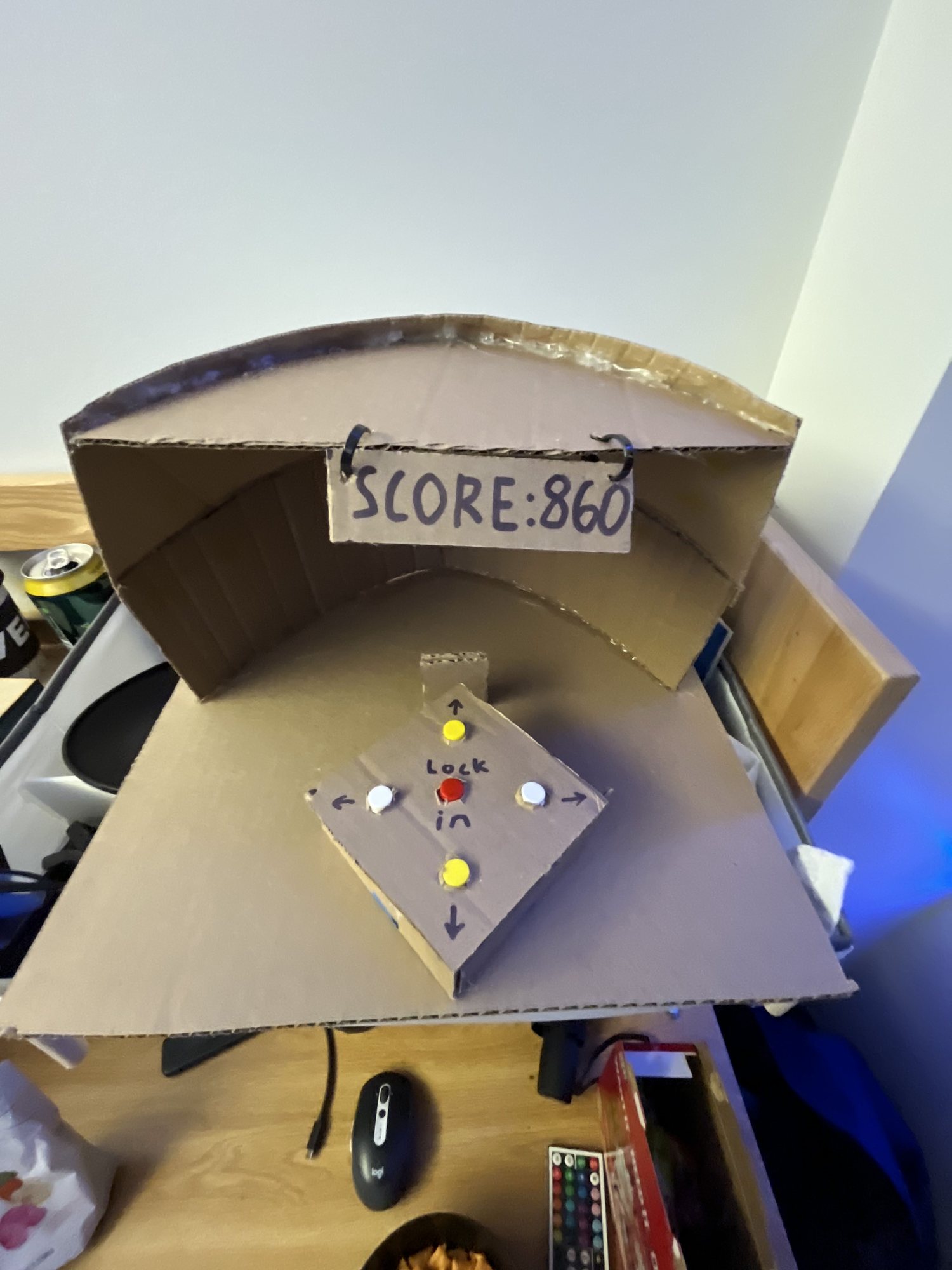
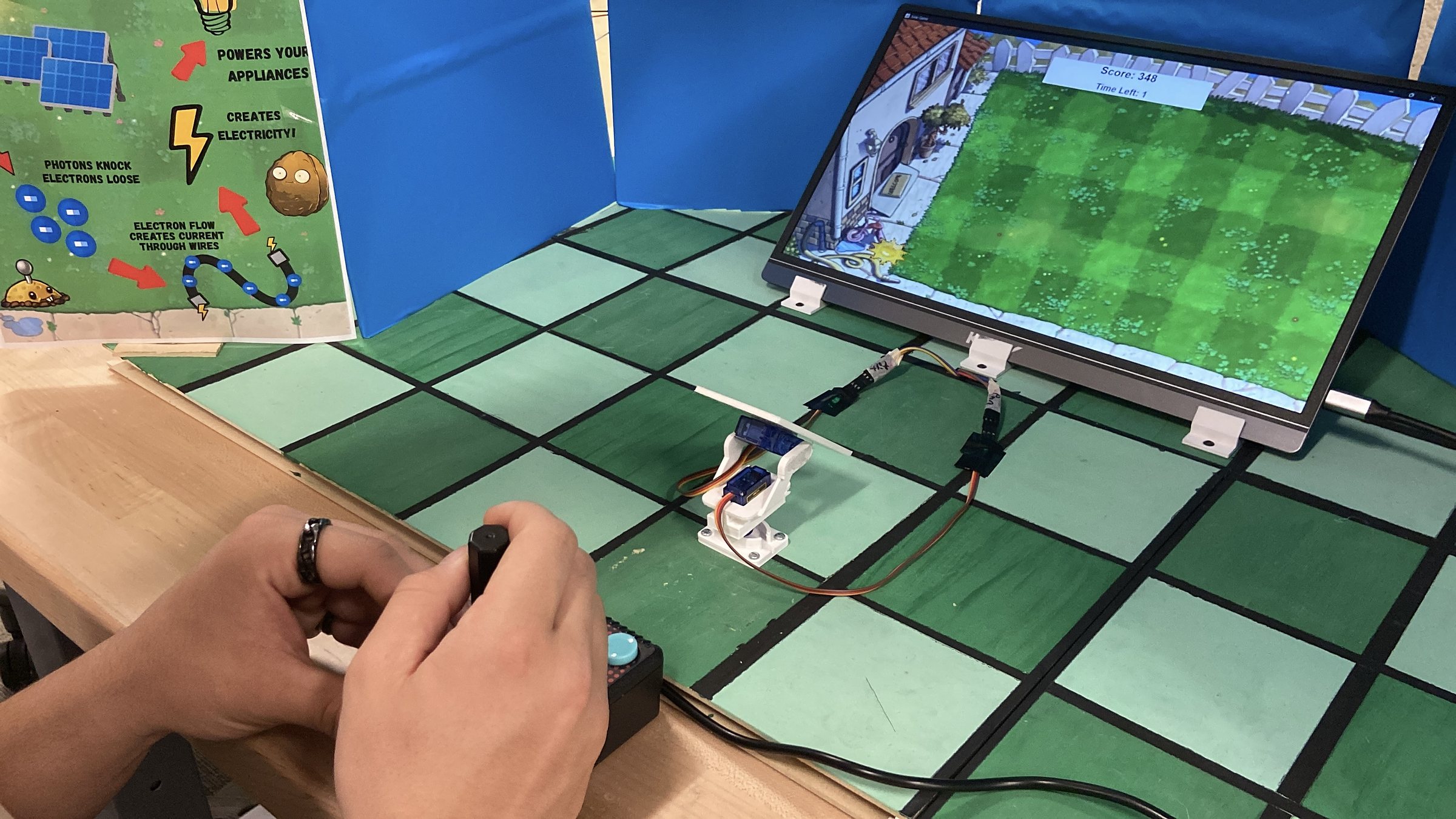
A kid-sized Plants vs. Zombies arcade exhibit that teaches why solar panels tilt. A joystick aims a servo-mounted sunflower at a lit LED sun on a 91 cm MDF dome.
The problem
A museum-style exhibit for upper-elementary kids on a sustainability topic. It had to be safe, use at least two Raspberry Pi elements and one self-made part, pack into a carry bag, and cost under $100. Our goal was for kids to learn that panels produce less at night, in clouds or at a bad angle, then tilt one to catch the light.
What I did
- Wrote the LED sequence code with Owen (blue target, green marker for where the panel points), then debugged the LED and servo code with Owen and Antonio until the lag and the panel-to-light sync were fixed
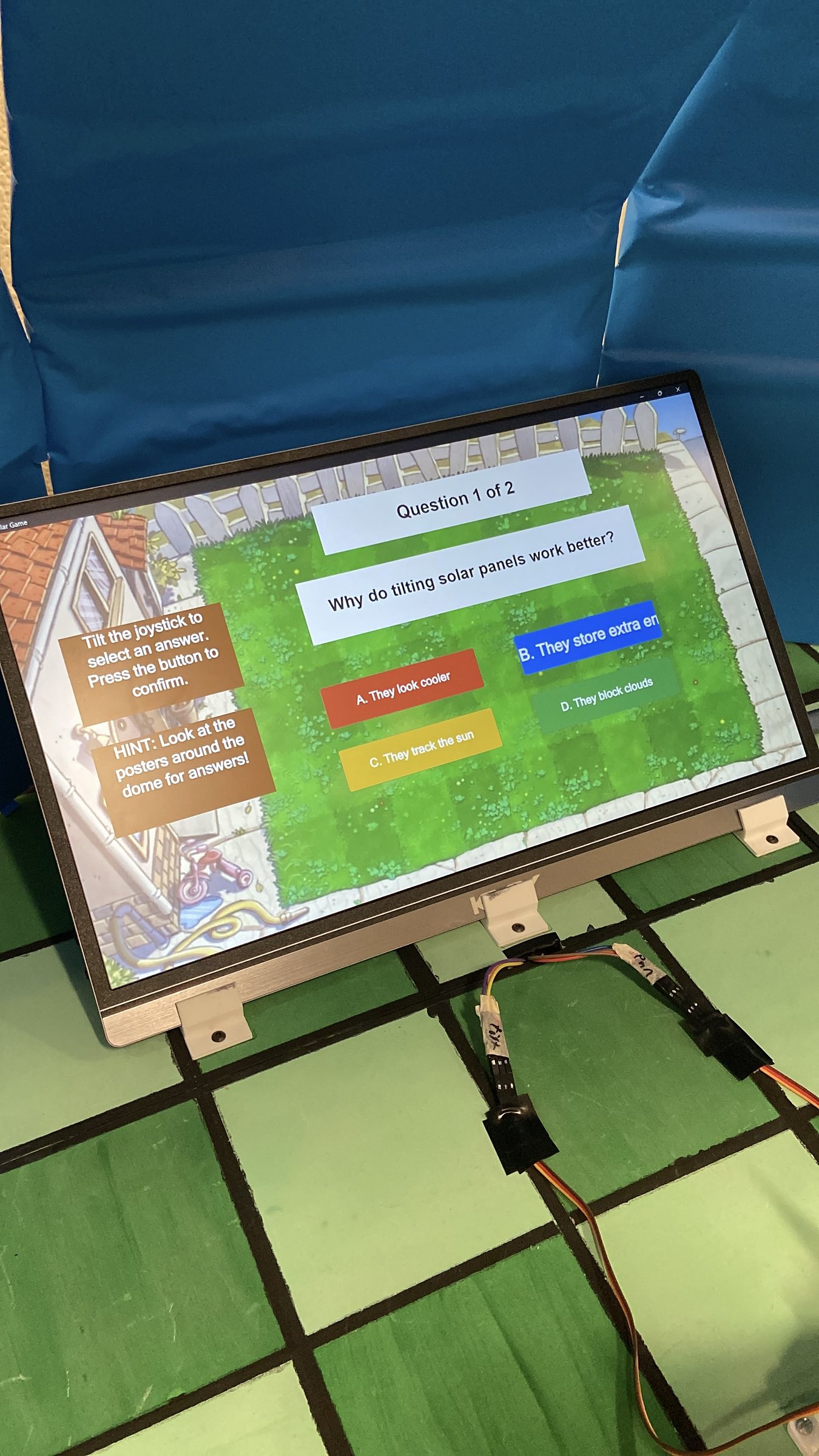
- Built most of the game's screens in MATLAB, including the start screen, difficulty select, quiz and score screens
- Built the proof of concept: a joystick read in MATLAB and sent over USB serial to a Raspberry Pi Pico driving the pan and tilt servos, and filmed the demo video
- Wrote the pre-game and mid-game quiz with Jackson and planned the evaluation, mapping each question to a learning goal
- As Milestone 4 project manager, broke the work into the Gantt chart, assigned owners, ran the mentor meeting, and wrote the memo and presentation
What broke and how we fixed it
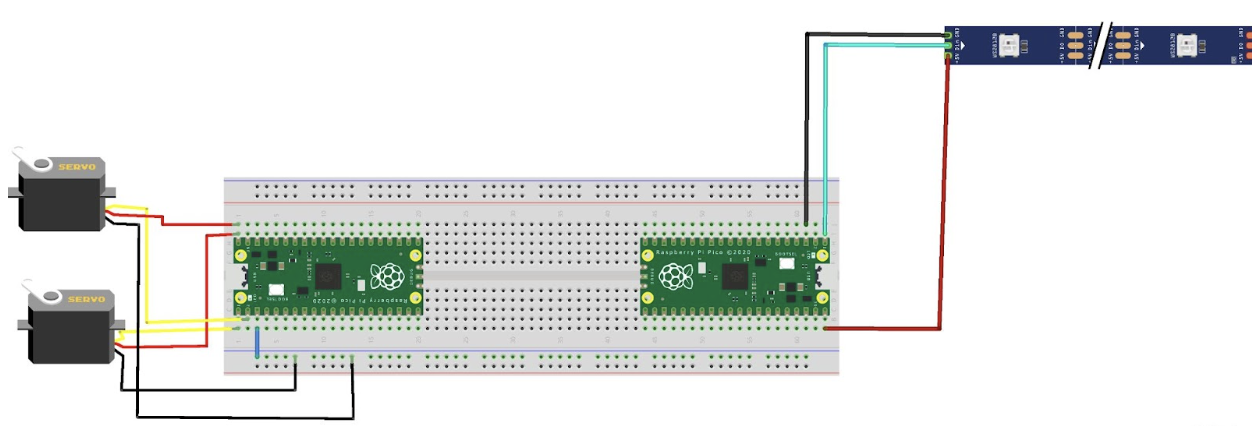
The game lagged and the lights fell out of sync. Serial traffic between the PC and the Picos made the servos trail the joystick, and the LEDs didn't keep up with where the panel was pointing. Peer reviewers called the first version slow and only half working. Fixing that was my main job for the rest of the build, with Owen and Antonio. The final code sends short text lines over USB serial: pan and tilt to the servo Pico, and the list of lit LEDs to the LED Pico, which polls for input instead of blocking. The LED link also went from 115,200 to 921,600 baud.
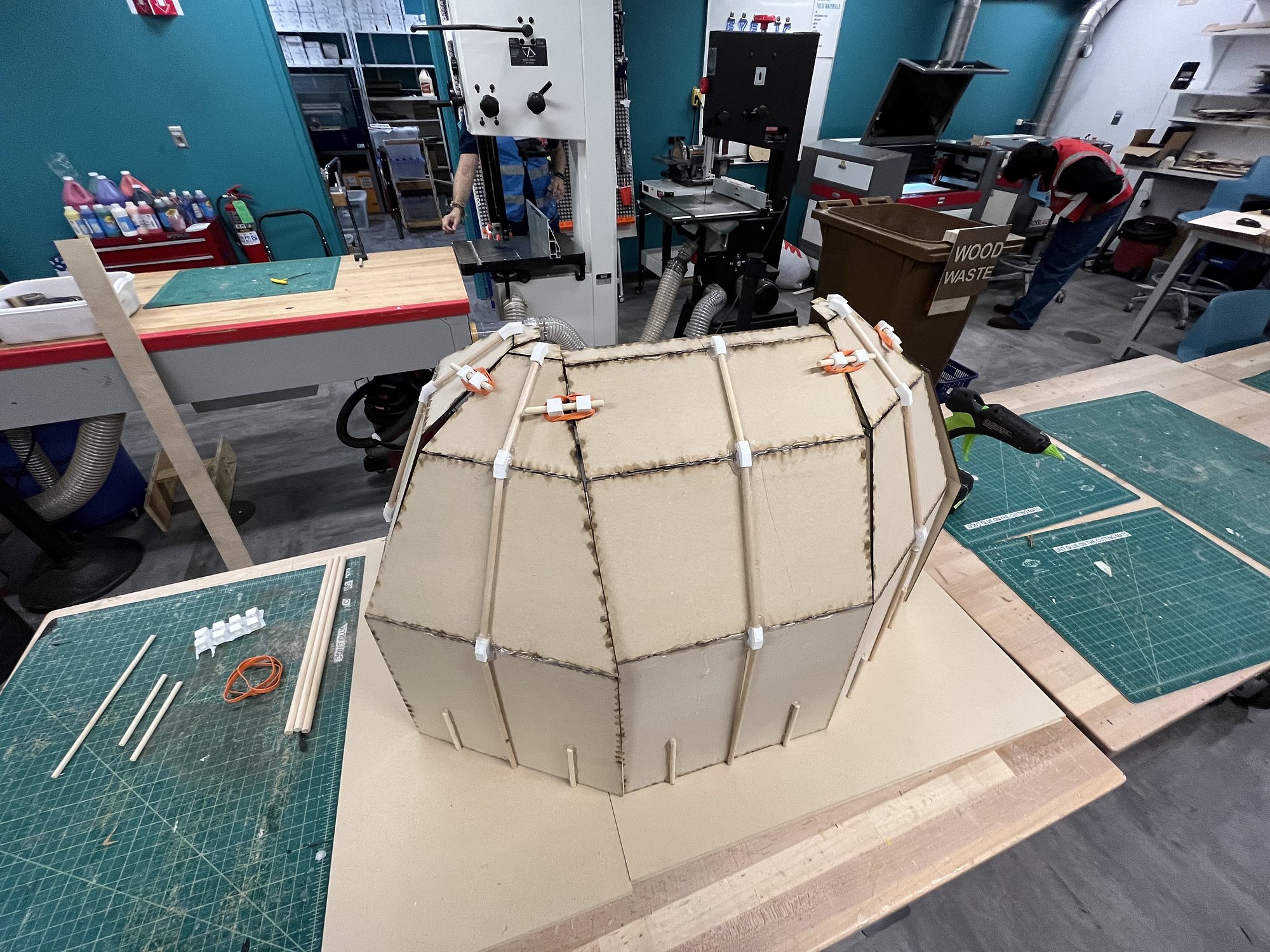
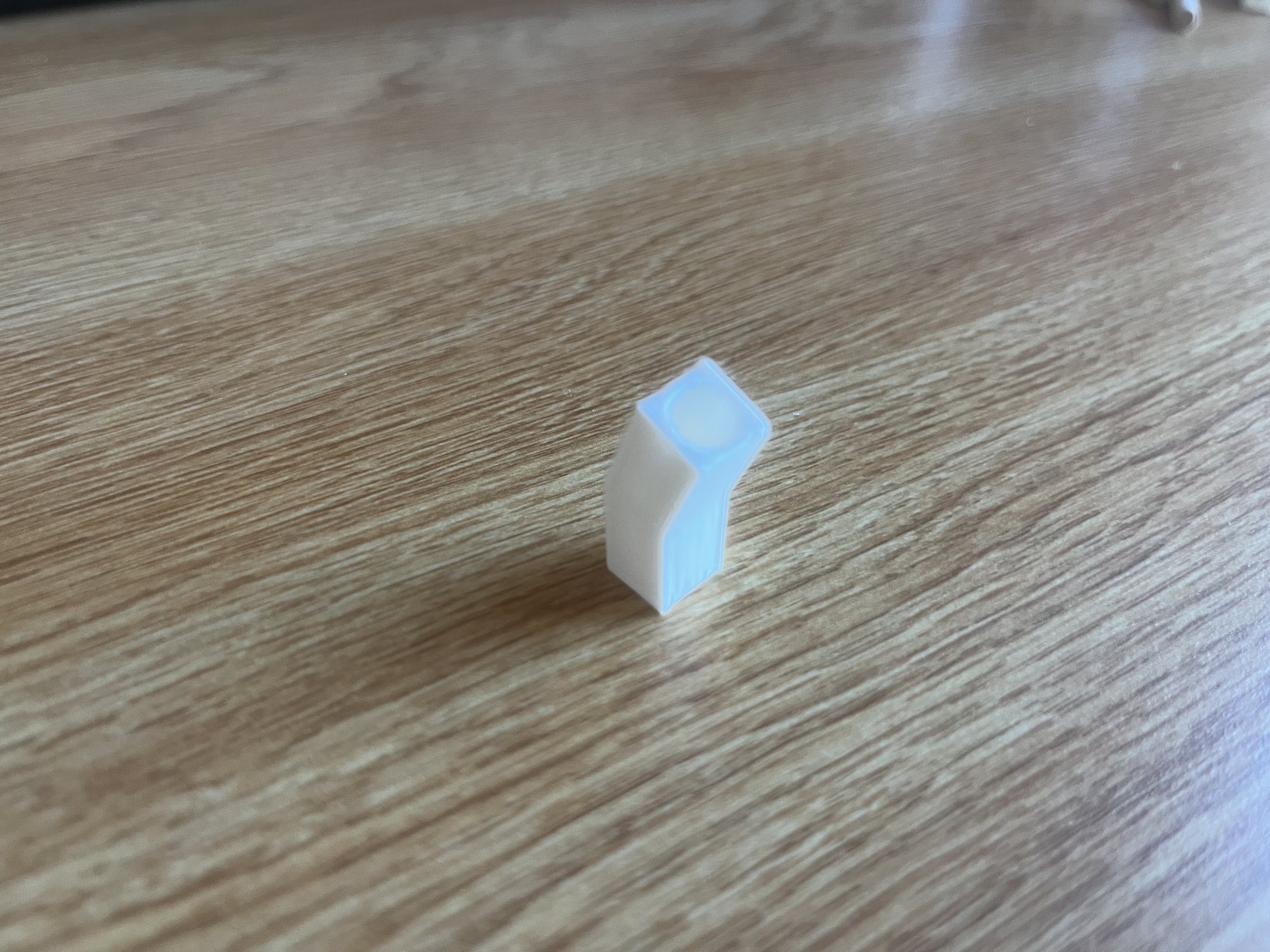
The dome. Printing the whole dome would have used far too much PLA. The team switched to a wooden-dowel skeleton joined by 24 printed angle brackets, with laser-cut MDF panels. That made it cheaper, faster to change and possible to break down for transport.
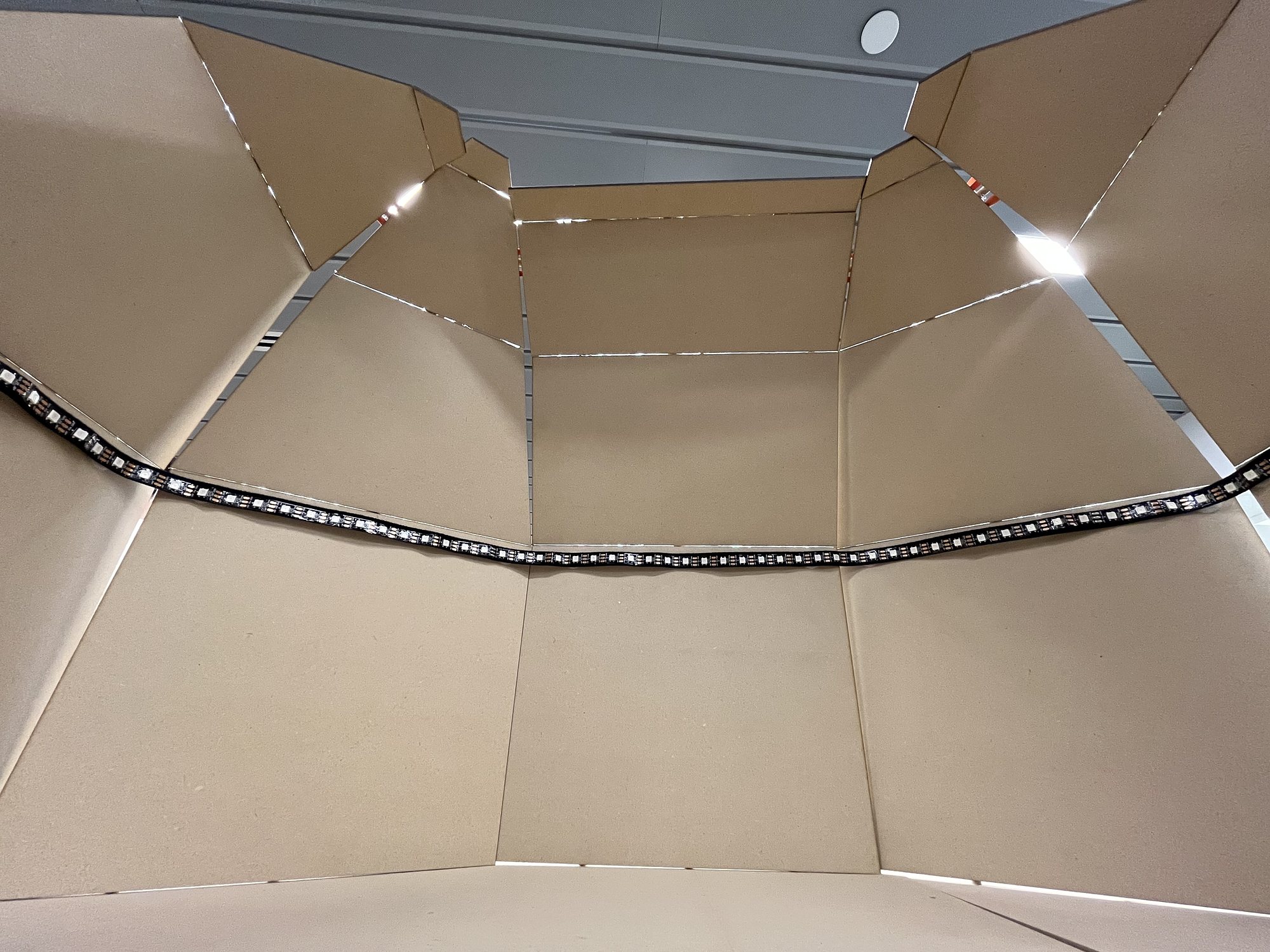
The build. User interviews and about 25 peer reviews flagged a slow servo, gaps between panels and an unfinished feel. The rebuild added a taller dome with new bracket angles, a layered-wood base with peg holes (hot glue was too weak), and magnets joining the base sections. A start-up light sweep found a burnt LED, which we cut out and bridged.
The electronics. A PC runs the game and talks to two Picos over USB serial, one for the LED strip and one for the servos. A hit counts when the panel lands within 3.5° pan and 4.5° tilt of the lit LED, using a calibrated map of every LED on the dome.
Results
| Measure | Target | Expo day |
|---|---|---|
| Pre-quiz correct | 60% | 81% (26 / 32) |
| Mid-game quiz correct | 60% | 88% (53 / 60) |
| Exit survey: named a correct fact about solar panels | n/a | 8 / 9 responses |
The pre-quiz is a baseline taken before playing, so its 81% mostly shows what players already knew. The mid-game quiz, taken after the first round of play, is the better measure.
As project manager, my own review found a quarter of tasks unassigned at first and late wiring diagrams. I fixed that with a named owner on every task and regular check-ins.